For the past two weeks, every single ad in Grand Central Station has been swapped out for an enormous, immersive art exhibit called “Dear New York,” led by Brandon Stanton (the guy who runs the famous Humans of New York brand).

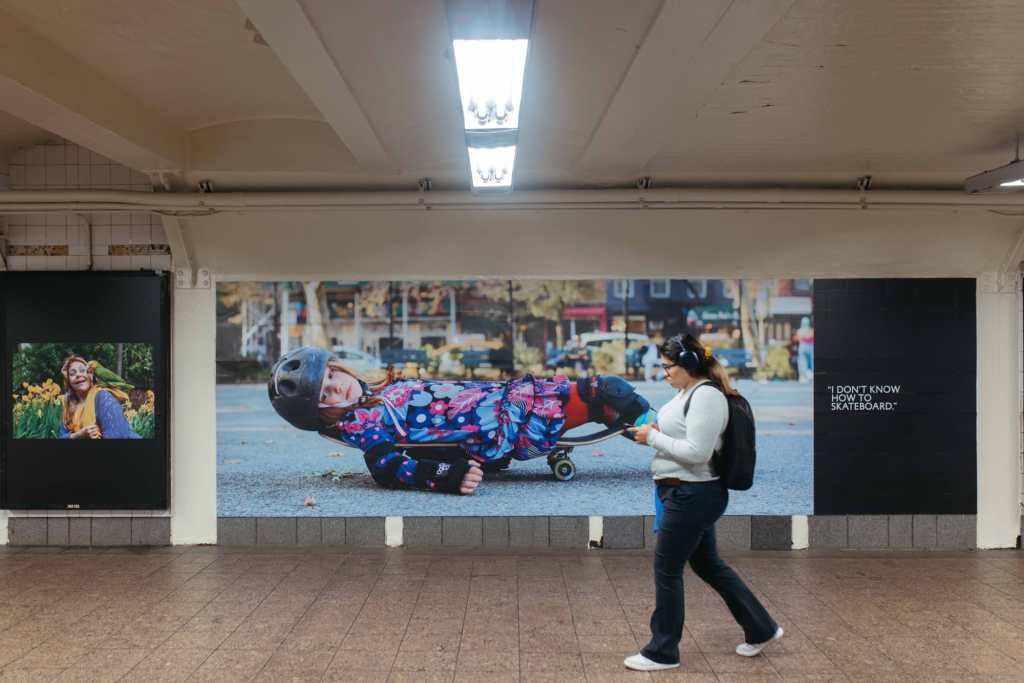
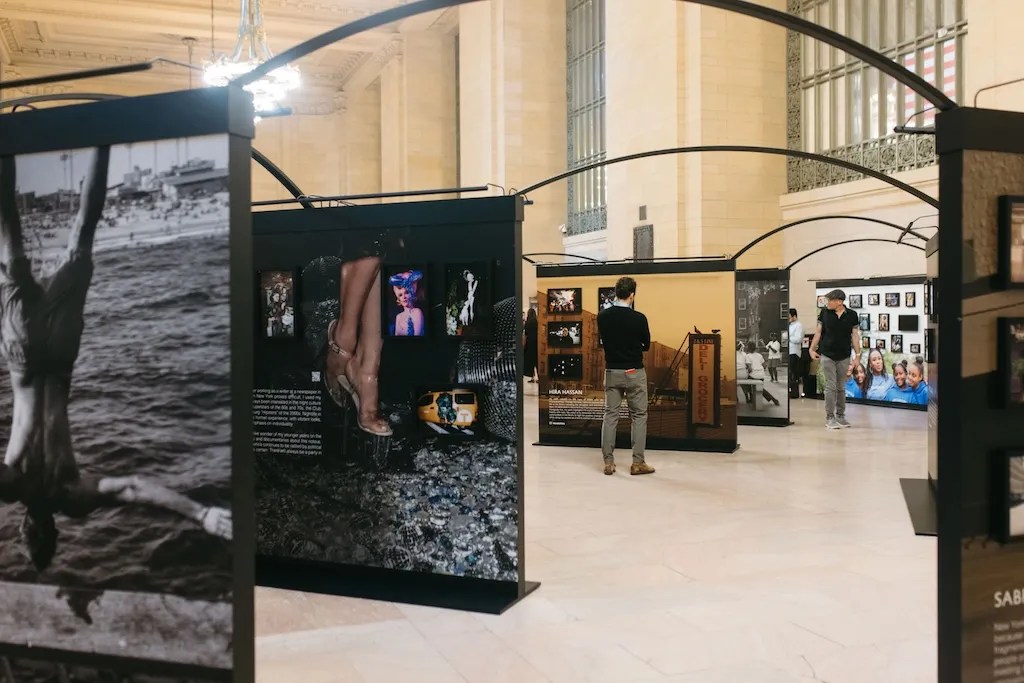
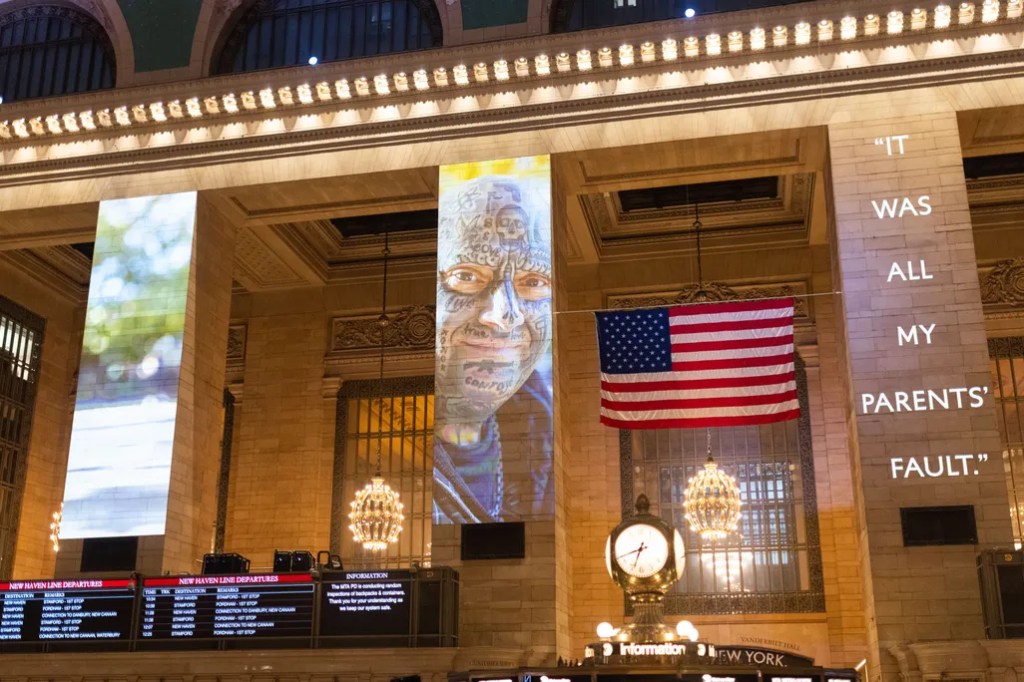
Photos from the Smithsonian, Brandon Stanton, Colossal
Steinway also donated a Concert Grand, staged in center of the main concourse, which Juilliard students and NYC pianists teamed up to play each day to provide a musical backdrop for the exhibit.
Vanderbilt Hall also featured portraits and stories taken and written by over six hundred student artists (including elementary schoolers! Not like, professional students) who live in NYC.
I didn’t go see it in person, but I’ve been thinking about it a lot.
- What the conversations for getting this exhibit live looked like.
- Why something like this isn’t done more often, in more places. I know public art installations happen everywhere, but I mean on this scale. Imagine Times Square with art instead of ads? Imagine the Mall of America or LAX or your local subway station or airport or whatever, all full of art?
- How much time this must have taken to shoot, curate, assemble, install, coordinate, etc. etc. etc. for a two-week exhibit.
- What changes when we walk past art every day instead of ads.
But mostly, I’ve been thinking a lot about the number of people that participated.
In all, over 1,000 artists contributed to the exhibit.
Juilliard students playing the piano. Equally, six-year-olds playing the piano. Professional photographers presented and displayed alongside 11-year-olds. Each capturing a moment in time, a person they loved, something that mattered to them.
I hear a lot of people talking about how AI will “democratize” art. That is, that it will help people do things they wouldn’t otherwise be able to do. Write and produce films, for example. Or make images in different styles. Or create comic books based on their favorite characters. Or fill in the blank.
That sounds nice on the surface, but I think about something like this exhibit, and I think — art has always been for all of us. In fact, more than anyone else, art probably belongs to the world of childhood, where skill matters far less than wonder, awe, inventiveness, courage, tenacity, focus, un-self-consciousness, and joy.
A machine may make the output of your ideas more polished, refined, or “high-budget” — more ad-like, perhaps. But we’ve never needed a machine to make it possible to create.
In an Instagram post on the last day of the exhibit earlier this week, Brandon wrote:
How does a two-week art installation about community grow into something like this? I think it’s because people are tired of ‘connecting’ through screens. Nobody wants to live in a metaverse, whatever the hell that is. We don’t want to become passive consumers of songs that ‘seem’ human, art that ‘seems’ human, friends that ‘seem’ human. None of this stuff is what we need. We need to create. We need to connect. We need to serve other people if we’re going to have any sort of place or belonging in this world.
If humanity is going to thrive— and if art is going to thrive – there is only one place for it to go: the real world. Dear New York was founded upon the increasingly rare belief that humanity is pretty freaking amazing. This isn’t a perfect world. Every day the media brings us new examples of glaring injustice and senseless violence. We still have much work to do. But while we do the work, let us not forget how much love there is in this world. In New York City alone, in a single day, there are millions of stories of people taking care of each other. These stories don’t make the evening news, but they’re no less real. And when you sum it all up—the good and the bad – humanity is still worth fighting for. It’s still something to celebrate.
The exhibition is closed now, but you can still check out the gallery and maps online.
 Rachel on the Web
Leave a comment